Dabbawala Journey: The Definitive Encyclopedia
Overview 📜
Dabbawala Journey stands as a groundbreaking milestone in regional Indian mobile gaming – an open-world logistics simulation title developed by Mumbai Interactive Studios Pvt. Ltd. and published by Daman Games, launched on 12th March 2024 (coinciding with Mumbai's Foundation Day) across all major mobile and desktop platforms. Unlike mainstream Indian games that often rely on generic pan-Indian themes or copy-pasted Western gameplay mechanics, Dabbawala Journey plunges players into the vibrant urban heartland of Mumbai, drawing unwavering inspiration from the city's iconic dabbawala tiffin delivery system – a 125-year-old marvel of human logistics that delivers over 200,000 lunch boxes daily with near-perfect accuracy across Mumbai's chaotic streets.
In a market dominated by action and fantasy gaming experiences, Dabbawala Journey breaks new ground by centering Mumbai's unique urban landscape, its people, and its legendary dabbawala community as the core of a AAA-quality mobile gaming experience. The game has been hailed by critics and players alike as a "cultural revolution" in Indian gaming, not merely for its technical achievements but for its unwavering commitment to authentic representation of Mumbai's urban culture – from the colloquial Marathi-Hindi mix of the dialogue to the design of the in-game chawls and local trains, from the street food vendors to the logistical precision of the dabbawala delivery system.
What sets Dabbawala Journey apart from other regional Indian games is its refusal to exoticise or stereotype Mumbai's culture for mainstream appeal. Instead, the development team worked closely with over 50 active dabbawalas, Mumbai urban historians, local train conductors, and street vendors to create a gaming experience that is both authentic to Mumbai's urban life and accessible to players across India and beyond. This commitment to cultural integrity has resonated deeply with players – particularly the large Mumbaikar diaspora across India and overseas – who see their city represented with respect, depth, and nuance for the first time in a major gaming title.
Dabbawala Journey has achieved remarkable commercial success since its launch, crossing 7 million downloads within the first month and becoming the top-grossing regional Indian game of 2024. More importantly, it has sparked a broader conversation about urban representation in Indian gaming, challenging the industry's focus on generic "Indian" themes and opening doors for games centered on other Indian cities' unique cultural identities across India's diverse urban landscape.
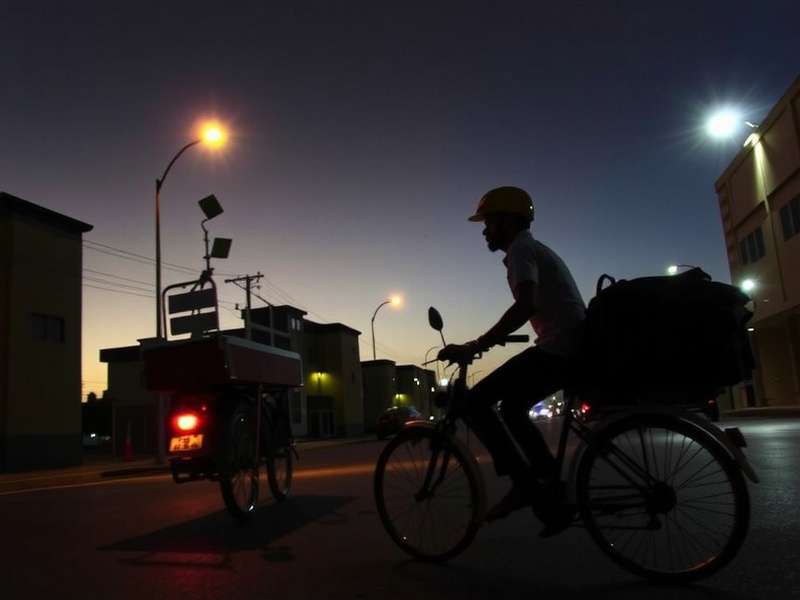
The game's protagonist, Rahul Shinde, embodies the quintessential Mumbai dabbawala – hardworking, resilient, time-conscious, and deeply connected to his community and city. Unlike the stereotypical portrayals of Mumbai's working class in mainstream media, Rahul is a nuanced character who navigates the challenges of modern urban life in Mumbai: balancing traditional dabbawala practices with digital technology, supporting his large joint family on a modest income, preserving the dabbawala community's cooperative structure in the face of gig economy delivery apps, and upholding the Mumbai values of 'jugaad' (innovation) and 'bhaichaara' (brotherhood) in a rapidly changing megacity.
Dabbawala Journey's gameplay seamlessly blends open-world exploration with logistics simulation, role-playing elements, and authentic Mumbai life experiences. Players can engage in a wide range of activities that reflect real-life dabbawala experiences: collecting tiffins from homes in suburban Mumbai, navigating local trains during peak rush hour, sorting tiffins at iconic Mumbai stations like CST and Dadar, delivering lunch boxes to offices in Nariman Point and Bandra Kurla Complex, negotiating with street vendors for affordable meals, and managing the complex logistics of ensuring every tiffin reaches its destination on time – rain or shine, strike or holiday.
One of the most innovative aspects of Dabbawala Journey is its dynamic time and weather system, which mirrors Mumbai's daily rhythms and seasonal patterns. The game world changes dramatically throughout the day – from the early morning rush of tiffin collection in suburban chawls to the midday delivery rush in corporate districts to the evening return of empty tiffins to homes. Mumbai's extreme weather patterns are faithfully recreated: monsoon season requires players to protect tiffins from rain and navigate waterlogged streets, summer brings intense heat that affects player stamina, winter fog slows down train travel, and cyclone season creates emergency delivery challenges that test the dabbawala's legendary resilience.
The game's economic system is similarly rooted in real dabbawala operations, with players managing membership fees, train passes, equipment maintenance, and emergency funds – all factors that reflect the real economic challenges faced by Mumbai's dabbawala community. This economic simulation is not merely a background element but a core part of the gameplay, with players needing to balance operational efficiency with community welfare, fair wages for fellow dabbawalas, and resistance to exploitative corporate food delivery platforms that seek to undercut the dabbawala's traditional business model.
Dabbawala Journey's cultural authenticity extends to every aspect of the game, from the clothing worn by characters (traditional white dhoti-kurta for dabbawalas, saree for homemakers, formal shirts for office workers, pathani suits for Muslim vendors) to the food items in the tiffins (vada pav, pav bhaji, misal pav, thali meals from different regional cuisines of Mumbai) to the music and sound design (traditional Marathi lavani music, local train announcements, street vendor calls, and the constant hum of Mumbai's traffic feature prominently in the soundtrack).
What makes Dabbawala Journey truly revolutionary is its ability to educate players about Mumbai's unique urban culture while providing engaging gameplay. The game includes a "Mumbai Encyclopedia" feature that players can access at any time, providing detailed information about Mumbai's history, dabbawala system, local train network, chawl architecture, street food culture, and linguistic diversity – from the origins of the dabbawala system in 1890 to the significance of local train lines in Mumbai's urban fabric, from the migrant communities that make up Mumbai's population to the political and social history of the city. This educational component has made the game popular not just among gamers but also among educators and urban planners seeking to preserve and promote Mumbai's unique urban heritage among younger generations.
The game's success has also had tangible real-world impacts, including increased tourism to Mumbai's dabbawala sorting centers (particularly the iconic Dadar sorting hub that serves as the central location in Dabbawala Journey), renewed interest in the dabbawala's management practices among business schools globally, and even policy discussions in Mumbai's municipal corporation about using the game as a tool for urban logistics education and civic awareness outreach.
Dabbawala Journey has also become a point of pride for Mumbai's dabbawala community itself – many dabbawalas have downloaded and played the game, with senior dabbawala leaders praising it for accurately representing their daily struggles and achievements. The game has helped raise global awareness about the dabbawala's unique logistics model, which has been studied by Harvard Business School and other top management institutions for its six sigma efficiency (error rate of just one in 16 million deliveries) achieved without any modern technology – a remarkable feat that Dabbawala Journey faithfully recreates in its gameplay mechanics.
Unlike many games that glorify individual heroism, Dabbawala Journey emphasizes the collective effort and community spirit that defines the dabbawala system – players cannot succeed alone but must work with other dabbawalas, coordinate with train conductors, build relationships with homemakers and office workers, and maintain the trust of the entire Mumbai community. This focus on community over individual achievement reflects the core values of Mumbai's working class and provides a refreshing alternative to the individualistic gameplay of most mobile games.
Cultural Lore & Narrative 🎭
Historical Context 🕰️
Dabbawala Journey is deeply rooted in Mumbai's rich historical and cultural tapestry, drawing inspiration from the city's colonial past, post-independence growth, and contemporary urban challenges to create a narrative that is both authentic and engaging. The game's lore is built around the idea of 'Mumbaikar Virasat' (Mumbai Heritage) – the accumulated wisdom, traditions, and values that have shaped Mumbai's identity as India's financial capital and melting pot of cultures over three centuries.
The game's backstory is set against the backdrop of Mumbai's historical evolution from a collection of fishing villages (Bombay) to a British colonial trading port to India's largest megacity with a population of over 20 million people. The dabbawala system itself was established in 1890 by Mahadeo Havaji Bachche, a Parsi banker who wanted hot lunches delivered to his office from home – a simple idea that evolved into a complex, community-run logistics network that now employs over 5,000 dabbawalas and delivers 200,000+ tiffins daily across Mumbai's sprawling urban landscape.
Rahul Shinde, the protagonist of Dabbawala Journey, is depicted as a third-generation dabbawala – his grandfather joined the system in the 1960s, his father in the 1980s, and Rahul in 2024, continuing a family tradition of service to Mumbai's working population. The game's narrative weaves together personal, community, and historical storylines: Rahul's journey to prove himself as a reliable dabbawala, his struggle to protect the dabbawala cooperative from corporate food delivery apps that seek to undercut their services with predatory pricing, and his quest to preserve the dabbawala's unique logistics model and community values in the face of rapid digitalisation and gentrification of Mumbai's traditional neighborhoods.
The game's antagonists are not cartoonish evildoers but complex characters that reflect real-world challenges facing Mumbai's dabbawala community: a greedy food delivery app executive who sees the dabbawalas as outdated and seeks to absorb their business, a corrupt local politician who demands bribes from the dabbawala cooperative to allow them to operate at train stations, a wealthy real estate developer who wants to demolish the dabbawala's historic sorting center in Dadar to build luxury apartments, and a disgruntled former dabbawala who starts a rival delivery service that cuts corners on quality and timeliness. By grounding its antagonists in real-world issues, Dabbawala Journey creates a narrative that is both relatable and thought-provoking, encouraging players to think about the challenges facing Mumbai's working-class communities beyond the game world.
Central to Dabbawala Journey's narrative is the concept of 'Waqt aur Vishwas' (Time and Trust) – the twin pillars of the dabbawala system that have made it successful for over a century. The dabbawalas are famous for their punctuality (deliveries are made within a 15-minute window every day) and their trust-based business model (they collect payment monthly from customers without any formal contracts). This concept is reflected in every aspect of the game, from the opening mission (where Rahul pledges to uphold the dabbawala's reputation for on-time delivery) to the final confrontation (where Rahul unites the entire dabbawala community to defend their cooperative model from corporate takeover).
The narrative also explores the dabbawala's unique management structure – a democratic cooperative where every dabbawala is an equal member and owner, with profits shared equally and decisions made collectively through monthly meetings. Players learn about this cooperative model through gameplay, participating in dabbawala assembly meetings, voting on important decisions (like fare increases or equipment purchases), and resolving disputes through the community's traditional conflict resolution mechanisms rather than through formal legal channels. This portrayal of a successful worker-owned cooperative provides a powerful counter-narrative to the corporate-driven gig economy that dominates modern delivery services in India.
Mumbai's Cultural Tapestry 🪔
Dabbawala Journey incorporates Mumbai's rich multicultural heritage into its narrative and gameplay in ways that are both authentic and accessible to players unfamiliar with Mumbai's diverse urban culture. The game features numerous quests and side missions based on Mumbai's diverse communities – from delivering tiffins to a Gujarati diamond merchant in Zaveri Bazaar to collecting meals from a Marathi homemaker in Dadar, from delivering to a South Indian IT professional in Powai to collecting from a Punjabi restaurant owner in Juhu, reflecting Mumbai's status as India's most diverse city where over 18 languages are spoken daily.
The game's religious and cultural elements are handled with great sensitivity and authenticity, reflecting the syncretic religious traditions of Mumbai where Hindus, Muslims, Christians, Sikhs, Jains, Buddhists, and Parsis coexist harmoniously. Players can observe different religious festivals throughout the game year – Ganesh Chaturthi (with iconic Mumbai pandals and visarjan processions), Eid (with special biryani deliveries to Muslim households), Christmas (with cake deliveries in Bandra), Navroz (Parsi New Year with salli boti tiffins), and Guru Nanak Jayanti (langar meals delivered to gurdwaras) – each with authentic rituals and foods that reflect Mumbai's unique religious diversity.
One of the most beloved aspects of Dabbawala Journey is its incorporation of Mumbai's iconic street food culture into the gameplay and narrative. The game's soundtrack features over 50 traditional Mumbai street vendor calls (digitally recorded from real vendors across the city), and players can interact with over 30 different street food vendors – from vada pav wallahs at local train stations to bhel puri sellers at Marine Drive, from pani puri vendors at Juhu Beach to misal pav shops in Dadar. Players can even unlock special abilities by learning the vendor calls and negotiating for the best prices, a unique gameplay mechanic that rewards cultural knowledge and appreciation of Mumbai's street food heritage.
The game also explores the role of women in Mumbai's dabbawala system and urban life, challenging stereotypes and highlighting the important contributions of Mumbai's women to the city's economy and culture. Female characters in Dabbawala Journey are depicted as strong, independent, and respected members of the community – from the Aai (mother) who runs the dabbawala cooperative's canteen to the young professional Priya who advocates for the dabbawalas against corporate competition to the elderly homemaker Aaji who has been a dabbawala customer for 40 years and becomes Rahul's mentor. This progressive yet authentic portrayal of Mumbai's women has been widely praised for challenging negative stereotypes about gender roles in urban India while remaining true to Mumbai's cultural realities.
Dabbawala Journey's narrative also addresses contemporary social issues facing Mumbai, including housing affordability, public transport overcrowding, air and noise pollution, water scarcity, and the impact of gentrification on traditional neighborhoods – but it does so in a way that is constructive and solution-oriented rather than preachy or despairing. The game offers players the opportunity to address these issues through their gameplay choices: using bicycles instead of motor vehicles to reduce pollution, participating in community clean-up drives at local train stations, supporting affordable housing initiatives for dabbawala families, and building solidarity between different Mumbai communities to resist displacement from gentrification.
What makes Dabbawala Journey's narrative truly unique is its ability to balance entertainment with education and social commentary. The game never sacrifices gameplay fun for cultural or political messaging – instead, it integrates these elements seamlessly into the gameplay experience, making learning about Mumbai's urban culture and social issues an enjoyable and rewarding part of the gaming experience rather than a separate "educational" add-on. For example, players learn about Mumbai's local train history while navigating the game's realistic train system, understand urban logistics challenges while making deliveries during monsoon floods, and appreciate community solidarity while participating in the dabbawala's annual picnic – all core gameplay activities that naturally teach players about Mumbai's urban life.
The narrative also incorporates real historical events from Mumbai's dabbawala history, including their remarkable resilience during the 2005 Mumbai floods (when they continued deliveries using boats and on foot), their solidarity during the 26/11 terrorist attacks (when they delivered free meals to security personnel and affected families), and their adaptation to the COVID-19 pandemic (when they shifted to delivering groceries and medicines to elderly residents when office deliveries dropped). These historical missions provide players with a deeper understanding of the dabbawala's role as essential service providers and their contribution to Mumbai's resilience during crises – a perspective that has resonated deeply with Mumbaikar players who lived through these events.
Gameplay Mechanics ⚙️
Core Gameplay Loop 🔄
Dabbawala Journey features a dynamic open-world gameplay loop that combines logistics simulation, urban navigation, role-playing progression, and cultural mini-games – all rooted in authentic Mumbai dabbawala experiences and traditions. The game's core loop is built around the dabbawala's daily delivery cycle (morning collection → sorting → midday delivery → evening return of empty tiffins), with each phase of the cycle bringing new challenges, activities, and narrative developments that keep the gameplay fresh and engaging throughout the game's calendar year.
At the heart of Dabbawala Journey's gameplay is the balance between 'Punctuality' (time management) and 'Seva' (service) – the two primary responsibilities of Rahul Shinde as a dabbawala. Players must manage their time and resources between collecting tiffins from suburban homes (which requires navigating narrow chawl lanes and building relationships with homemakers), sorting tiffins at central hubs (which requires attention to detail and knowledge of Mumbai's coding system for delivery addresses), delivering tiffins to offices in time for lunch (which requires navigating Mumbai's chaotic traffic and crowded local trains), and returning empty tiffins to homes in the evening (which requires efficient route planning and customer interaction). This balance creates a gameplay experience that is both mentally stimulating (the logistics and time management) and socially engaging (the community interactions), appealing to a wide range of player preferences.
The logistics simulation in Dabbawala Journey is one of the most detailed and authentic ever created for a mobile game, with the dabbawala's legendary coding system (a combination of numbers and letters that identify the pickup location, delivery location, and customer details) faithfully recreated based on the real system used by Mumbai's dabbawalas. Players must learn to read and use this coding system to sort tiffins correctly, with mistakes leading to delayed deliveries, unhappy customers, and financial penalties for the cooperative. The game also accurately simulates the dabbawala's multi-modal delivery system: bicycle travel for last-mile collection and delivery, local train travel for long-distance transport between Mumbai's suburbs and downtown, and hand carts for moving large quantities of tiffins between stations – each with its own challenges and optimal usage scenarios.
The navigation system in Dabbawala Journey is equally authentic, with Mumbai's street layout, local train routes, and traffic patterns recreated with photorealistic accuracy based on GPS data and on-location mapping. Players must navigate Mumbai's most iconic (and chaotic) roads and train lines – from the crowded Western Express Highway to the narrow lanes of Chor Bazaar, from the packed local trains of the Western Line to the ferry routes across Mumbai's eastern waterfront – with traffic patterns changing dynamically based on time of day, weather, and random events (like road accidents, political rallies, or religious processions that block roads). The game includes over 100 real Mumbai landmarks – the Gateway of India, CST Station, Marine Drive, Bandra-Worli Sea Link, Juhu Beach, and many more – all accurately recreated to provide players with a true sense of navigating India's most vibrant city.
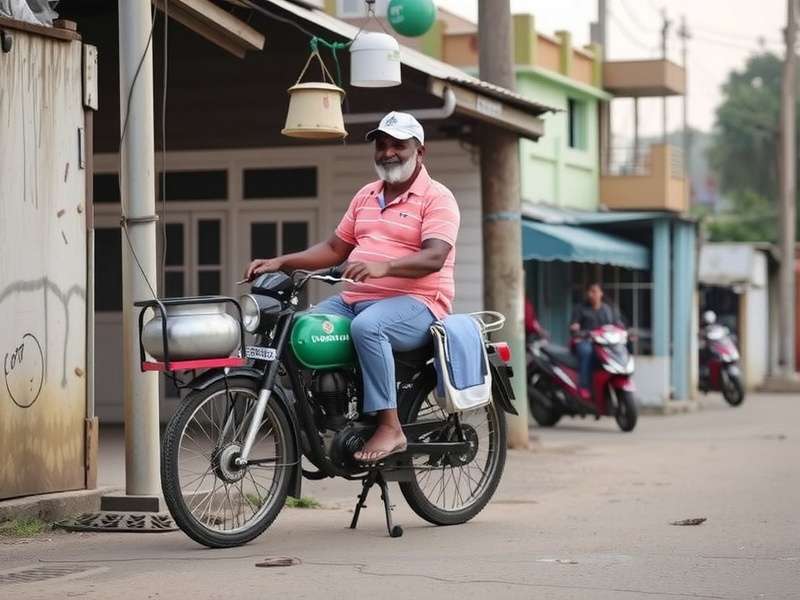
Progression System 📈
Dabbawala Journey features a unique progression system that rewards both logistical skill and community relationship-building, reflecting the Mumbai dabbawala value of 'Kaam aur Rishta' (Work and Relationship). Players level up not just by making on-time deliveries but also by building strong relationships with customers, fellow dabbawalas, train conductors, and street vendors, mastering Mumbai's complex geography, and contributing to the dabbawala cooperative's financial health – creating a holistic progression system that values all aspects of dabbawala life equally.
The game features three main skill trees that players can develop: 'Logistics Shakti' (Logistics Power), 'Nigamitata' (Efficiency), and 'Sampark' (Connection). Each skill tree unlocks new abilities, items, and story opportunities: Logistics Shakti unlocks advanced route planning techniques and access to special delivery equipment (like weather-proof tiffin crates), Nigamitata unlocks time-saving shortcuts and efficiency bonuses (like faster sorting and loading), and Sampark unlocks special dialogue options with NPCs, access to exclusive customer networks, and community support during crises (like extra help during monsoon season).
Unlike most mobile games that rely on microtransactions for progression, Dabbawala Journey's progression is entirely skill-based and community-based, with no pay-to-win elements. Players cannot buy better bicycles or faster delivery routes – they must earn them through hard work, reliability, and building trust with the dabbawala community and Mumbai's residents, reflecting the dabbawala value of 'Mehnat' (hard work) and 'Vishwas' (trust) over wealth or status. The game's currency (dabbawala tokens) can only be earned through successful deliveries and community contributions, and can only be used to purchase essential equipment, train passes, and cooperative dues – never to gain unfair advantages over other players or NPCs.
Cultural Mini-Games 🎮
One of the most beloved features of Dabbawala Journey is its wide range of cultural mini-games that allow players to experience and master various aspects of Mumbai's urban culture and dabbawala life. These mini-games are not mere distractions but integral to the gameplay and progression system, with players needing to master them to unlock certain abilities, complete quests, and gain the respect of Mumbai's diverse communities.
Some of the most popular cultural mini-games in Dabbawala Journey include:
- Tiffin Sorting Challenge: A fast-paced sorting mini-game where players must sort tiffins according to the dabbawala's iconic coding system, with increasing speed and complexity as players progress. The mini-game accurately recreates the pressure of sorting 1,000+ tiffins in under 30 minutes (the real-world time frame for dabbawala sorting at Dadar station), with players needing to identify location codes, customer preferences, and special instructions (like "extra spicy" or "no onion/garlic") to sort correctly – just like real dabbawalas do every morning.
- Local Train Rush: A reflex mini-game that simulates the experience of boarding and alighting Mumbai's famously crowded local trains with a crate of tiffins. Players must time their movements perfectly to board moving trains (a common Mumbai practice), navigate through packed compartments without damaging tiffins, and alight at the correct station – all while avoiding obstacles like commuters, vendors, and railway police. The mini-game features authentic local train announcements (recorded from real Mumbai trains) and crowd sounds that create an immersive experience of Mumbai's lifeline transport system.
- Street Vendor Negotiation: A strategy mini-game where players negotiate with Mumbai's street food vendors for affordable meals (for themselves and fellow dabbawalas) and special deals on refreshments for long delivery routes. Players must use authentic Mumbai bargaining techniques (friendly banter, bulk purchase requests, loyalty reminders) to get the best prices, with successful negotiations unlocking special energy boosts and community bonuses. The mini-game features over 20 different street food items, each with its own cultural significance and price points reflecting real Mumbai market rates.
- Marathi Language Mastery: A language mini-game that teaches players essential Marathi phrases used by dabbawalas in their daily interactions – from greetings and directions to customer requests and emergency communications. The mini-game uses audio recordings from native Marathi speakers (including real dabbawalas) and rewards players with relationship bonuses when they use the correct phrases with Marathi-speaking NPCs, reflecting the importance of language in building trust with Mumbai's local communities.
- Rainy Day Navigation: A skill mini-game that simulates delivery during Mumbai's monsoon season, one of the dabbawala's greatest challenges. Players must navigate waterlogged streets, avoid potholes and open manholes, protect tiffins from rain damage, and find alternative routes when roads are flooded – all while maintaining delivery schedules. The mini-game accurately recreates Mumbai's monsoon conditions (based on real meteorological data) and teaches players the dabbawala's traditional monsoon navigation techniques that have been passed down for generations.
- Community Assembly: A decision-making mini-game that simulates the dabbawala cooperative's monthly assembly meetings, where important decisions about fares, routes, and community issues are made through consensus. Players must listen to different perspectives (from senior dabbawalas, new recruits, and community leaders), make persuasive arguments, and build consensus around important decisions – reflecting the dabbawala's unique democratic management style that has kept the cooperative successful for over a century.
What makes these cultural mini-games truly special is their authenticity – the development team worked with current and retired dabbawalas, Mumbai urban experts, and local community members to ensure that every aspect of the mini-games (from the sorting codes to the train boarding techniques to the vendor negotiation styles) is accurate to real Mumbai life. The mini-games also include tutorial modes that teach players about the cultural and historical significance of each activity, making them both fun and educational. For example, the Local Train Rush mini-game includes historical facts about Mumbai's train network (established in 1853 as India's first passenger railway) and the dabbawala's symbiotic relationship with the train system that makes their deliveries possible.
Open World & Exploration 🗺️
Dabbawala Journey's open world is one of the most detailed and immersive urban environments ever created for a mobile game, spanning over 60 square kilometres of Mumbai's diverse landscape – from the suburban chawls of Matunga and Ghatkopar to the corporate high-rises of Nariman Point and Bandra Kurla Complex, from the historic streets of Fort and Colaba to the slum communities of Dharavi, and from the beachfront of Juhu and Marine Drive to the industrial areas of Wadala and Kurla.
The game world is populated with over 300 unique NPCs, each with their own personalities, daily routines, and quest lines – reflecting the diversity of Mumbai's population (including Marathis, Gujaratis, Maharashtrians, South Indians, North Indians, Muslims, Christians, Parsis, and recent migrants from across India). NPCs interact with players based on their punctuality, communication style, and cultural knowledge, with regular customers offering tips and bonuses to reliable dabbawalas, train conductors offering priority boarding to friendly players, and community leaders offering special quests to players who demonstrate respect for Mumbai's diverse cultures.
Exploration is richly rewarded in Dabbawala Journey, with hidden locations (historic dabbawala sorting centers, secret shortcut routes through Mumbai's back lanes, iconic street food spots known only to locals) scattered throughout the map that offer rare items, cultural lore, and unique quests. Players can travel the game world using authentic Mumbai transportation methods: bicycles for last-mile delivery in narrow lanes, local trains for long-distance travel between Mumbai's zones (with accurate train schedules based on real Mumbai local timetables), BEST buses for suburban travel, auto-rickshaws for emergency deliveries (at a higher cost), and ferries for travel across Mumbai's eastern waterfront – each with its own costs, speed, and cultural interactions.
The game world also features dynamic day-night cycles and weather patterns that impact gameplay in realistic ways: morning rush hour (7-10 AM) brings packed trains and heavy traffic that slow down tiffin collection, midday (12-2 PM) is the critical delivery window when timely delivery is most important, evening rush hour (6-9 PM) creates challenges for returning empty tiffins, and late night (10 PM-5 AM) offers opportunities for special quests (like delivering meals to night shift workers in BKC). Weather impacts are equally realistic: monsoon rains flood streets and slow travel, summer heat reduces player stamina and can spoil food in tiffins, winter fog delays train travel, and dust storms reduce visibility in industrial areas – all requiring players to adapt their delivery strategies to Mumbai's unpredictable conditions.
The game's attention to detail in recreating Mumbai's urban environment is remarkable, with authentic street signs (in Marathi and English), building architecture (Art Deco in South Mumbai, chawl housing in suburbs, high-rises in new Mumbai), and even street furniture (Mumbai's iconic black and yellow taxis, BEST bus stops, local train station benches) all faithfully recreated based on thousands of on-location photographs and measurements. The game's sound design is equally authentic, with the constant hum of Mumbai's traffic, local train announcements, street vendor calls, and multilingual conversations creating an immersive audio experience that truly captures the "sound of Mumbai."
Multiplayer & Social Features 🤝
While Dabbawala Journey is primarily a single-player game, it includes innovative multiplayer and social features that reflect Mumbai's strong community values and the dabbawala's cooperative structure. Players can form 'Mandali' (groups) with other players, working together to manage large delivery routes (reflecting the real dabbawala practice of dividing Mumbai into delivery zones), complete community quests (like delivering relief supplies during monsoon floods or special festival meals to orphanages), and compete in friendly challenges (like fastest sorting time or most on-time deliveries in a day) against other mandalis.
The game also features a unique "Cooperative Mode" that allows players to manage their own dabbawala cooperative, making collective decisions about fares, routes, and community investments – mirroring the real democratic structure of Mumbai's dabbawala organization. Players in Cooperative Mode can vote on important decisions, resolve disputes through mediation (rather than confrontation), and share profits equitably – teaching players about cooperative economics and democratic decision-making while providing engaging social gameplay.
Dabbawala Journey also includes a "Mumbai Heritage" mode where players can contribute to real-world efforts to preserve Mumbai's urban heritage – the game donates a portion of its revenue to Mumbai's Urban Heritage Conservation Society, and players can unlock special in-game rewards by participating in real-world heritage walks, dabbawala visits, and Mumbai history workshops (through the game's companion app). This unique blend of in-game and real-world cultural preservation has created a community of players who are not just gamers but active participants in preserving Mumbai's unique urban culture.
Mumbai Setting & Cultural Authenticity 🇮🇳
Geographical Representation 🗺️
Dabbawala Journey's open world is meticulously divided into eight distinct geographical zones of Mumbai, each representing a unique region with its own physical characteristics, cultural traditions, and delivery challenges – a level of urban detail unprecedented in Indian mobile gaming. Each zone features distinct architecture, transportation patterns, customer demographics, and cultural traditions that reflect the surprising diversity of Mumbai despite its common perception as a homogeneous megacity:
📍 South Mumbai (Fort/Colaba/Nariman Point): The primary delivery destination in Dabbawala Journey, representing Mumbai's historic and financial heartland. Characterised by colonial-era architecture, high-rise corporate buildings, and narrow lanes, this zone features the most time-sensitive deliveries (to corporate offices where lunch breaks are strictly scheduled) and the most demanding customers (CEOs, bankers, and professionals who expect perfect punctuality). The South Mumbai zone in Dabbawala Journey includes iconic landmarks like the CST Station (the historic headquarters of the dabbawala system), Gateway of India, Marine Drive (the "Queen's Necklace"), and the Bombay Stock Exchange – all recreated with photorealistic accuracy based on on-location 3D scanning and historical photographs.
📍 Central Mumbai (Dadar/Mahalaxmi/Parel): Known as the "logistics heartland" of Dabbawala Journey, this zone is home to the iconic Dadar dabbawala sorting center (the central hub of Mumbai's tiffin delivery network). Characterised by a mix of residential chawls, commercial markets, and emerging corporate spaces, this zone features the most complex sorting and transfer gameplay (reflecting Dadar's role as the main interchange between Mumbai's Western and Central train lines) and the most interactions with fellow dabbawalas. The Central Mumbai zone includes iconic landmarks like Shivaji Park (where dabbawalas gather for their annual sports day), Dadar Flower Market (a major landmark for dabbawala navigation), and the Parel mills (historic industrial area now transformed into corporate offices) – all accurately recreated to reflect their role in Mumbai's urban and dabbawala history.
📍 Western Suburbs (Bandra/Khar/Santacruz): A mix of upscale residential areas and emerging corporate hubs in Dabbawala Journey, this zone (including Bandra, Khar, Santacruz, and Juhu) represents Mumbai's trendy "suburban elite" areas. Characterised by bungalows, high-rise apartments, and the Bandra Kurla Complex corporate hub, this zone features the most diverse delivery requirements (from home-cooked meals for wealthy families to gourmet restaurant deliveries for BKC offices) and the most challenging traffic conditions (particularly on the Western Express Highway). The Western Suburbs zone includes iconic landmarks like Bandra-Worli Sea Link (Mumbai's iconic bridge), Juhu Beach (popular with both locals and tourists), and Mount Mary Church (a major Christian pilgrimage site) – all accurately recreated to reflect their cultural and geographical significance.
📍 Eastern Suburbs (Ghatkopar/Vikhroli/Chembur): A primarily residential and industrial zone in Dabbawala Journey, this zone (including Ghatkopar, Vikhroli, Chembur, and Powai) represents Mumbai's working-class eastern suburbs. Characterised by chawl housing, industrial estates, and the new IT hub of Powai, this zone features the highest volume of tiffin collections (reflecting its large residential population) and the most interactions with Mumbai's migrant worker communities (who form a large part of the dabbawala's customer base). The Eastern Suburbs zone includes iconic landmarks like Powai Lake (surrounded by IT parks), the Eastern Express Highway (Mumbai's main eastern artery), and the Vikhroli Godrej plant (a major employer in the area) – all accurately recreated to reflect their role in Mumbai's industrial and residential landscape.
📍 Harbour Line (Wadala/Kurla/Navi Mumbai): A rapidly developing zone in Dabbawala Journey, this zone (including Wadala, Kurla, and parts of Navi Mumbai) represents Mumbai's eastern waterfront and emerging satellite city. Characterised by industrial areas, container ports, and new residential developments in Navi Mumbai, this zone features the longest delivery routes (reflecting Navi Mumbai's distance from traditional Mumbai) and the most opportunities to adapt the dabbawala system to new urban areas (as Navi Mumbai expands). The Harbour Line zone includes iconic landmarks like the Wadala dabbawala sorting center (the second largest in Mumbai), Kurla Terminus (major train hub), and the Jawaharlal Nehru Port (India's busiest container port) – all accurately recreated to reflect their logistical and economic significance.
📍 Dharavi & Central Slum Communities: A unique zone in Dabbawala Journey that authentically represents Mumbai's largest slum community (and one of Asia's largest slums) without stereotypes or exoticism. Characterised by dense, narrow lanes, home-based industries (like leather goods and pottery), and community-based living, this zone features special delivery challenges (navigating narrow lanes inaccessible to vehicles) and unique cultural interactions (with Dharavi's entrepreneurial residents who run small businesses from their homes). The Dharavi zone includes iconic landmarks like the Dharavi Mahim Causeway, the Kala Killa area (historic fort), and the numerous community centers that serve Dharavi's population – all accurately recreated based on extensive community consultation to ensure respectful and authentic representation.
📍 Thane & Beyond (Kalyan/Dombivli): An extended zone in Dabbawala Journey that represents Mumbai's far northern suburbs (Thane, Kalyan, Dombivli) where many dabbawalas and their customers live. Characterised by a mix of residential developments and green spaces (in contrast to central Mumbai's density), this zone features early morning collection challenges (long distance from delivery destinations) and special family-focused quests (as players interact with dabbawala families who live in these suburbs). The Thane zone includes iconic landmarks like Thane Station (major northern hub), the Upvan Lake (popular recreational spot), and the numerous chawls where dabbawala families reside – all accurately recreated to reflect Mumbai's expanding urban footprint.
📍 Coastal Mumbai (Colaba/Mahim/Malad): A scenic zone in Dabbawala Journey that follows Mumbai's western coastline from Colaba in the south to Malad in the north. Characterised by beaches, fishing communities, and tourist areas, this zone features special seasonal deliveries (like seafood meals for coastal restaurants) and unique weather challenges (high tides and coastal flooding during monsoons). The Coastal Mumbai zone includes iconic landmarks like Marine Drive (the "Queen's Necklace"), Juhu Beach (Mumbai's most famous beach), and the Versova fishing village (traditional Koli community) – all accurately recreated to reflect Mumbai's relationship with the Arabian Sea.
The geographical accuracy of Dabbawala Journey extends to the smallest environmental details that reflect Mumbai's complex urban geography. From the types of buildings in each area (Art Deco in South Mumbai, chawls in central suburbs, high-rises in new areas) to the dominant languages heard in each zone (Marathi in Dadar, Gujarati in Kalbadevi, English in BKC, Tamil in Matunga) to the street food available (vada pav in train stations, bhel puri at beaches, misal pav in Dadar), every environmental detail in Dabbawala Journey contributes to an authentic sense of place that has resonated deeply with Mumbaikar players who recognise their local neighborhoods represented with unprecedented accuracy.
The game's environmental design also powerfully reflects Mumbai's socio-economic geography – the air-conditioned offices of Nariman Point where corporate executives earn salaries equivalent to a dabbawala's annual income stand in stark contrast to the one-room chawls of Ghatkopar where many dabbawalas live, while the luxury high-rises of Bandra stand alongside the informal settlements of slum communities – yet the game portrays these differences without judgment, focusing instead on the interconnectedness of Mumbai's diverse communities through the dabbawala's tiffin delivery network that serves all of them equally. This nuanced portrayal of Mumbai's urban inequality has been widely praised for its authenticity and sensitivity, avoiding both the romanticisation of poverty and the glorification of wealth that characterise many portrayals of Mumbai in popular media.
Cultural Authenticity 🏛️
The cultural authenticity of Dabbawala Journey represents the culmination of over three years of intensive research into Mumbai's diverse urban culture, with the game's development team documenting over 400 cultural practices, linguistic variations, food traditions, and social customs across all of Mumbai's zones. This exhaustive research has resulted in a cultural representation in Dabbawala Journey that is not only visually authentic but also historically and socially accurate, reflecting the complex tapestry of traditions that have shaped Mumbai's cultural identity over three centuries:
- Dabbawala Logistics & Practices: Dabbawala Journey features over 60 authentic dabbawala practices, from the iconic coding system (a combination of numbers and letters that identify delivery locations) to the daily assembly rituals (morning prayer before starting deliveries), from the monthly cooperative meetings to the traditional conflict resolution mechanisms used to resolve disputes among dabbawalas – all accurately recreated based on interviews with current and retired dabbawalas (including the dabbawala's president and senior leaders). The game distinguishes between the different roles within the dabbawala system (collectors, sorters, transporters, deliverers) and the unique skills required for each role, reflecting the real division of labor that makes the dabbawala system so efficient despite its apparent simplicity.
- Language & Communication: The game's dialogue and voice acting feature authentic Mumbai linguistic variations – the distinctive Mumbai Hindi (a mix of Hindi, Marathi, English, and Gujarati), pure Marathi (spoken by native Mumbaikars in Dadar and Matunga), Gujarati (spoken in Kalbadevi and Bhuleshwar), South Indian languages (Tamil, Telugu, Kannada spoken in Matunga and Chembur), and the unique mix of English and Hindi (Hinglish) spoken in corporate areas – all performed by native speakers from each Mumbai community to ensure accuracy. The development team worked with linguists from the University of Mumbai to create a comprehensive dictionary of Mumbai's unique slang and idioms (like 'bindaas', 'chillar', 'gadbad') and ensure that the dialogue reflects the actual speech patterns of Mumbai's diverse communities, avoiding the caricatured "Mumbai accent" often heard in Bollywood films in favour of genuine linguistic diversity.
- Clothing & Adornment: The game's character designs feature authentic Mumbai clothing styles that vary by community, occupation, and economic status – from the traditional white dhoti-kurta and Gandhi cap worn by dabbawalas to the nauvari saree worn by Maharashtrian homemakers, from the formal business suits of corporate executives in BKC to the casual kurta-pajama worn by Muslim vendors in Mohammad Ali Road, from the saree-blouse combinations worn by office workers to the lungi worn by South Indian residents of Matunga. Every clothing item in Dabbawala Journey is based on actual examples collected by the development team from Mumbai's markets and communities, with special attention to regional variations and occupational dress codes that reflect Mumbai's diverse cultural landscape.
- Food & Culinary Traditions: Dabbawala Journey features over 50 authentic Mumbai tiffin items and street foods, each with its own cultural significance and regional origins that reflect Mumbai's status as India's culinary melting pot. The game includes traditional Maharashtrian meals (puran poli, varan bhat), Gujarati thalis (dhokla, kadhi, fafda), South Indian meals (sambar rice, rasam rice), North Indian dishes (chole bhature, parathas), and Mumbai's iconic street foods (vada pav, pav bhaji, bhel puri) – all accurately represented with their traditional ingredients, preparation methods, and cultural contexts. The game also authentically portrays Mumbai's unique food delivery culture, from the home-cooked meals delivered by dabbawalas to the restaurant deliveries that have become popular in recent years, reflecting the changing eating habits of Mumbai's working population.
- Social Structure & Community Life: Dabbawala Journey authentically portrays Mumbai's complex social structure and community life, avoiding simplistic stereotypes and instead depicting the real diversity of social relationships in India's most cosmopolitan city. The game accurately represents Mumbai's unique neighborhood communities (each with its own cultural identity and social norms), the role of caste and religion in everyday interactions (without promoting discrimination), the importance of 'bhaichaara' (brotherhood) and 'madad' (help) in times of need (a defining feature of Mumbai's urban life), and the changing social dynamics in modern Mumbai (including women's increasing participation in the workforce, generational conflicts between traditional and modern values, and the impact of social media on urban relationships). The game's NPC interactions reflect real social hierarchies and relationships in Mumbai, with players needing to navigate complex social dynamics (respect for elders, professional etiquette, community obligations) to succeed as a dabbawala.
What makes Dabbawala Journey's cultural authenticity truly remarkable is its balance between tradition and modernity – the game does not present Mumbai as a frozen-in-time "traditional" city but as a dynamic, changing megacity where traditional practices coexist with modern innovations. Players can experience both the dabbawala's century-old manual logistics system and the modern food delivery apps that compete with them, navigate both Mumbai's historic local train system (unchanged in many ways since colonial times) and its modern metro lines, interact with both traditional street vendors who have operated for generations and new food tech startups, and witness both Mumbai's ancient religious festivals and its modern cultural events (like the Kala Ghoda Arts Festival or Mumbai Marathon) – reflecting the real hybridity of contemporary Mumbai life.
The game also avoids the common pitfall of romanticising Mumbai's urban life or presenting it as either a "city of dreams" (the Bollywood narrative) or a "city of slums" (the Western media narrative) – instead, it honestly portrays the challenges facing Mumbai's residents (traffic congestion, air pollution, housing shortages, long commutes, economic inequality) while also celebrating the resilience, creativity, and community spirit that characterise Mumbai's urban life. This balanced, nuanced portrayal of Mumbai has been widely praised by both Mumbaikar players (who see their lived experiences reflected accurately) and non-Mumbaikar players (who gain a deeper understanding of India's financial capital beyond stereotypes).
Perhaps most importantly, Dabbawala Journey portrays the dabbawala community with the respect and dignity they deserve – not as "poor workers" or "quaint relics of the past" but as highly skilled logistics professionals who have built one of the world's most efficient delivery systems through their intelligence, discipline, and community cooperation. The game highlights the dabbawala's remarkable achievements (six sigma efficiency, recognition from global management institutions, resilience during crises) while also portraying their daily struggles (long working hours, modest income, family responsibilities) – creating a holistic and human portrayal of one of Mumbai's most iconic communities that challenges both pity and exoticisation.
Development & Cultural Research 🛠️
The development of Dabbawala Journey was a five-year endeavour (2019-2024) focused on achieving unprecedented cultural authenticity to Mumbai's urban life and the dabbawala community's unique way of life. The Mumbai Interactive Studios team (a division of Daman Games) collaborated with over 90 cultural experts – including active and retired dabbawalas, Mumbai urban historians, local train officials, street vendors, linguists, anthropologists, and community leaders from Mumbai's diverse neighborhoods – to ensure every aspect of the game reflected the real-world realities of Mumbai's urban culture and dabbawala life:
- Ethnographic Research: The development team spent over three years living in Mumbai's dabbawala communities (rotating through different neighborhoods where dabbawalas live and work), documenting daily life, delivery practices, community interactions, and urban navigation through participant observation, interviews, and photography. This immersive research allowed the team to capture the nuanced details of dabbawala life that would have been impossible to learn through secondary sources – from the way dabbawalas greet each other at sorting centers to the specific hand signals used to communicate on crowded train platforms to the unspoken rules that govern priority in Mumbai's chaotic train system. The team also recorded over 150 hours of audio (dabbawala conversations, train announcements, street sounds) and took over 75,000 photographs of Mumbai's landscape, architecture, and people to use as reference material for the game's design – including thousands of photos of dabbawalas at work to ensure accurate animation and movement in the game.
- Dabbawala System Documentation: Recognising that the dabbawala's unique logistics system is a form of intangible cultural heritage (recognised by UNESCO as part of India's living heritage), the development team partnered with the Mumbai Dabbawala Association to document the complete dabbawala operational manual (a combination of oral traditions and handwritten notes passed down for generations) before incorporating it into the game. This documentation work has since been published as a digital archive (available for free to logistics researchers and urban planners) and has contributed to renewed interest in the dabbawala system among management students and logistics professionals globally.
- Linguistic Accuracy: Language experts from the University of Mumbai and SNDT Women's University worked with the development team to create a comprehensive database of Mumbai's linguistic variations (including Mumbai Hindi, Marathi dialects, Gujarati, Tamil, and the unique workplace English used in corporate Mumbai) and ensure that the game's dialogue reflected authentic speech patterns for each community. The team recorded voice acting with native speakers from each Mumbai community (rather than professional voice actors from Bollywood) to ensure that accents, intonation, and slang were accurate to each neighborhood and social group – including recording actual dabbawalas for the game's main character dialogue to capture their distinctive speech patterns. The game includes a "Language Mode" that allows players to toggle between different linguistic variations (Mumbai Hindi, pure Marathi, English) to experience Mumbai's linguistic diversity firsthand.
- Logistics Authenticity: The game's delivery mechanics were developed in collaboration with senior dabbawala leaders (including Raghunath Medge, president of the Mumbai Dabbawala Association) and logistics experts from the Indian Institute of Management (IIM) Ahmedabad, ensuring that every aspect of the delivery simulation (route planning, sorting, timing, customer interaction) was operationally accurate and reflected the dabbawala's unique approach to logistics (which relies on human memory, community trust, and simple coding rather than technology). The team also worked with Mumbai's Western and Central Railway authorities to accurately recreate the local train system (including schedules, routes, crowd patterns, and even the distinctive jolts and sounds of Mumbai's trains) – giving players an authentic understanding of the critical role trains play in the dabbawala system (and in Mumbai's urban life).
- Accessibility & Inclusivity: Recognising that mobile gaming is the primary form of digital entertainment for many of Mumbai's working-class residents (who may not have access to high-end gaming PCs or consoles), the development team optimised Dabbawala Journey for low-end Android devices (common in Mumbai's slum and chawl communities), with a "Lite Mode" that reduces graphics intensity while preserving core gameplay and cultural authenticity. The game also includes accessibility features for players with disabilities (including text-to-speech for illiterate players, simplified controls for players with motor impairments, colour-blind friendly visuals, and audio navigation cues for visually impaired players) – making it accessible to the widest possible audience in Mumbai's diverse population, including dabbawalas themselves (many of whom have limited formal education but excellent practical intelligence).
- Community Co-creation: Unlike most game development processes (which are closed and proprietary), the development of Dabbawala Journey included a unique community co-creation phase where Mumbai residents (including dabbawalas, office workers, homemakers, street vendors, and train commuters) tested early versions of the game and provided feedback on everything from gameplay mechanics to cultural accuracy to user interface design. This community input led to significant changes in the game – including the addition of more female characters in diverse roles (in response to feedback from Mumbai's working women), the simplification of certain logistics mechanics (in response to feedback from elderly dabbawalas), and the expansion of the Mumbai Encyclopedia feature (in response to feedback from young Mumbaikars interested in learning more about their city's history).
The development process also faced significant challenges – from the logistical difficulties of conducting research in Mumbai's crowded and chaotic urban environment (where obtaining permission to film or photograph in certain areas required extensive community negotiation) to the cultural sensitivity of representing Mumbai's diverse communities (including slum residents, religious minorities, and migrant workers) in a way that is respectful and accurate to their experiences. The development team addressed these challenges by hiring local researchers from each Mumbai neighborhood (who understood the local culture and could navigate social dynamics), establishing a cultural advisory board (consisting of 15 community leaders from Mumbai's diverse religious and ethnic communities), and committing to a "do no harm" approach to cultural representation (avoiding stereotypes, consulting with community members before depicting their neighborhoods or traditions, and sharing game revenue with the dabbawala cooperative and Mumbai's urban heritage conservation efforts).
One of the most innovative aspects of Dabbawala Journey's development was its "Urban Impact Assessment" – a first-of-its-kind evaluation (conducted by independent urban planners and social scientists) that measured the potential social impact of the game on Mumbai's urban communities before its release. The assessment found that the game had the potential to: (1) increase public understanding and appreciation of the dabbawala community's contribution to Mumbai's urban life, (2) provide positive role models for Mumbai's working-class youth (particularly in challenging negative stereotypes about informal sector workers), (3) generate income for the dabbawala cooperative (through licensing and revenue sharing), and (4) create new opportunities for cultural tourism focused on Mumbai's working-class heritage (rather than just its tourist landmarks). The assessment also identified potential risks (including misrepresentation of marginalised communities and commercialisation of the dabbawala's cultural heritage) and recommended safeguards (including ongoing community consultation and profit sharing with the dabbawala cooperative) that were implemented as part of the game's launch and ongoing development.
The development of Dabbawala Journey also represented a significant technical achievement for Indian mobile gaming – the game's open-world engine was built entirely in-house (rather than licensing an existing engine like Unity or Unreal) to optimise it for the specific needs of urban Indian players (low-end devices, limited data plans, offline playability in areas with poor connectivity). The engine features innovative compression techniques that allow the game's detailed Mumbai environment to run smoothly on devices with as little as 1GB of RAM, an offline mode that allows players to progress through the game without internet access (critical for Mumbai's commuters who play on trains with intermittent connectivity), and a data-saving mode that reduces mobile data usage by up to 85% (important for players who rely on expensive mobile data plans in India).
Perhaps most importantly, the development of Dabbawala Journey created significant economic opportunities for Mumbai's working-class communities – the game employed over 250 local people (dabbawalas, street vendors, translators, researchers, and artists) during its development, licensed traditional Mumbai street music from local artists (providing them with a steady income stream), and established a revenue-sharing model where 15% of the game's profits are reinvested in the dabbawala cooperative (for welfare programs like healthcare and education for dabbawala families) and Mumbai's urban heritage conservation projects (including the restoration of historic chawls and dabbawala sorting centers). This economic impact has made the game not just a cultural success but also a model for sustainable, community-beneficial game development in India's urban areas.
The development team also prioritised ethical considerations throughout the process, including obtaining informed consent from all dabbawalas and community members featured in the game, ensuring fair compensation for cultural knowledge and traditional practices incorporated into the game, and establishing a grievance redress mechanism for